What Is a Mortise Lock and Why Rosemead Homes Rely on Them
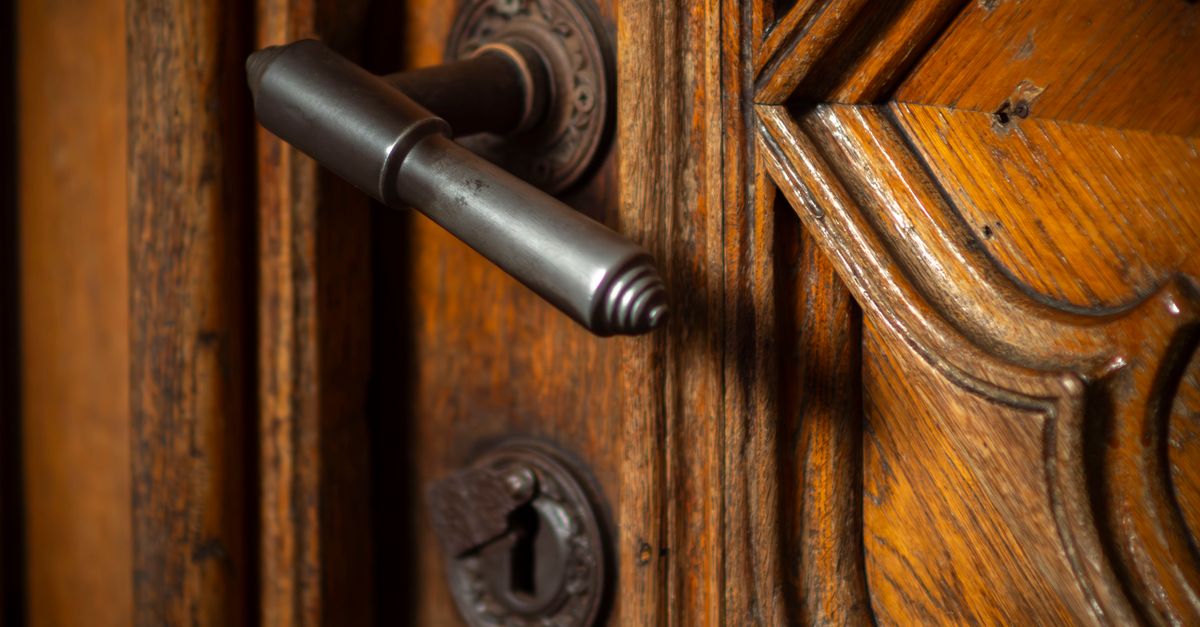
A mortise lock is a self-contained lock body — housing the latch bolt, deadbolt, and sometimes a privacy knob mechanism — that is set into a mortise, or cavity, cut directly into the door edge. The exposed hardware you see (the handle, escutcheon plate, and thumb turn) is just the interface; the real mechanical work happens inside the door. This construction makes the lock body significantly harder to kick in or pry away compared to a surface-mounted cylindrical lock, which is one reason property owners and building managers across Rosemead have never felt the need to swap them out. Many of the Corbin Russwin mortise lock units and Baldwin mortise lock sets installed in this area's post-war construction are still in service today — a testament to the engineering, but also a reminder that 60-plus-year-old components eventually need professional attention.
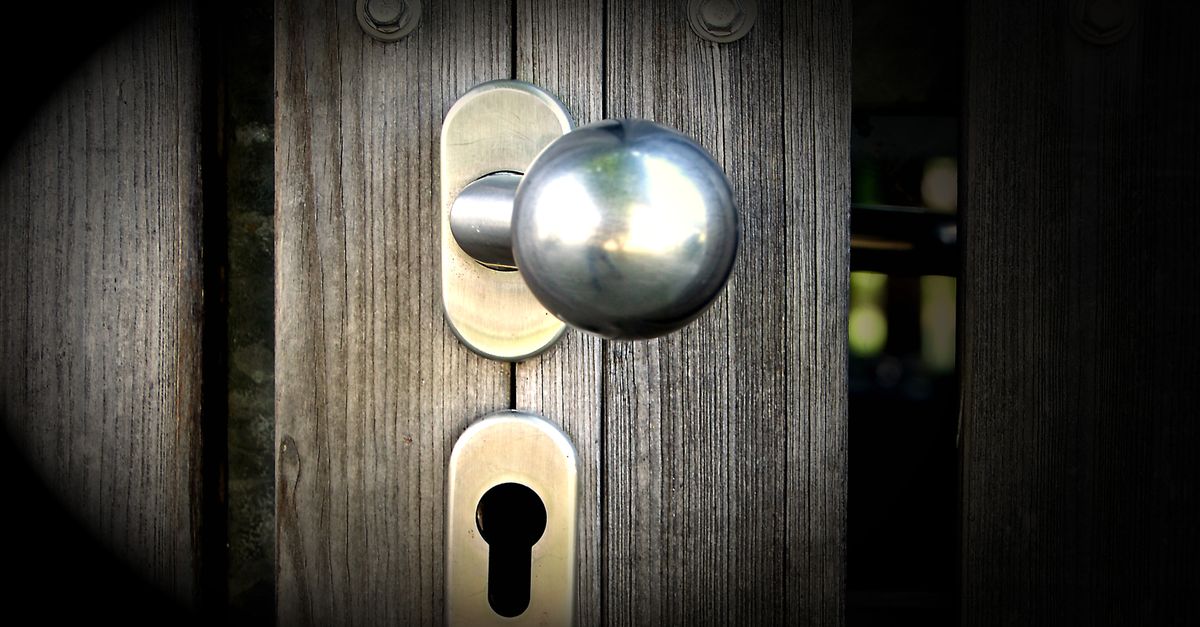
The mortise lock cylinder — the plug that your key actually enters — is a separate, swappable component within the larger lock body. Over time, cylinders wear, keys begin to feel gritty or resistant, and tumblers can fail entirely. Rekeying or swapping out only the cylinder is often the most efficient fix, preserving the original lock body while restoring full security. Our technicians carry cylinder stock compatible with the most common profiles found in Rosemead's multi-unit and mid-century residential buildings, so in most cases we can complete the work during a single visit.