Hyundai Car Key Replacement: What Your Model Actually Needs
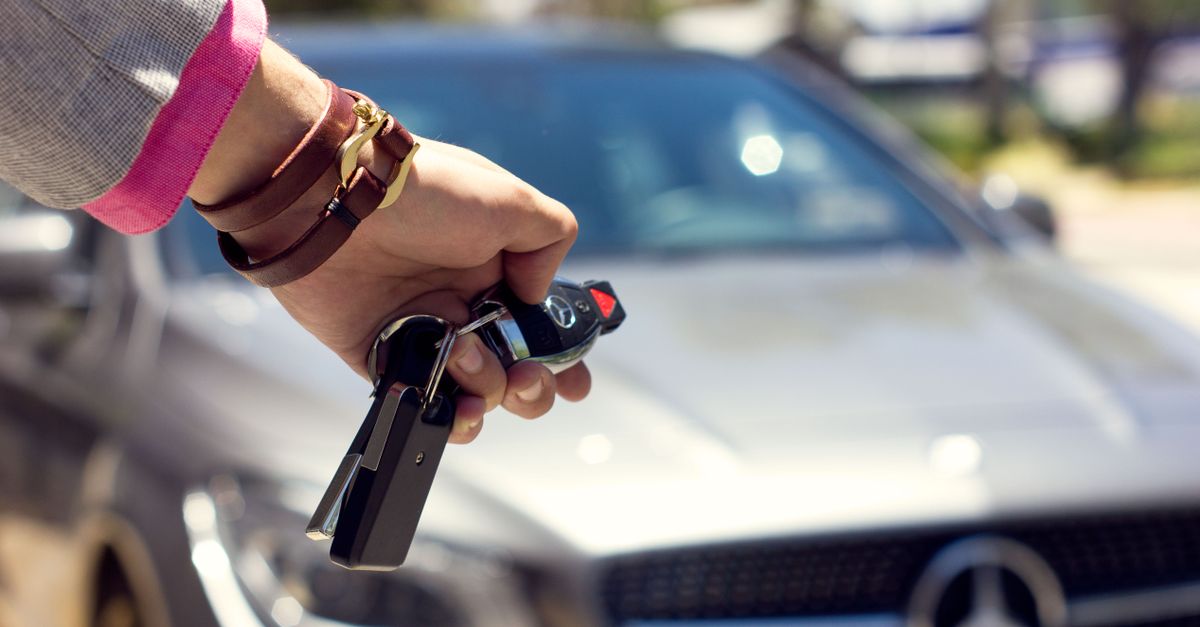
Not every Hyundai key is the same, and treating them as if they were is one of the fastest ways to end up with a key that won't start your car. Older Hyundai models used a basic metal blade with no chip — straightforward to cut, but still requiring the right blank. Models from the mid-2000s onward shifted to transponder keys, where a small chip embedded in the plastic head must be programmed to match your vehicle's immobilizer before the engine will crank. More recent generations — including many Elantra HEV, Tucson, and Kona trims — use proximity smart keys or push-button start fobs that require two-way communication between the key and the car's onboard computer. Our technicians carry OEM-compatible transponder chips, fob shells, and smart key blanks for the full Hyundai range, and we program each one on-site using professional-grade diagnostic tools.
When you call us for Hyundai car key replacement, the first thing we do is confirm the year, trim, and VIN — because a 2018 Sonata and a 2023 Sonata can require entirely different key types. We then verify that you are the registered owner or authorized operator before any cutting or programming begins. That step protects you as much as it protects us. Once identity and ownership are confirmed, most jobs are completed in under an hour at your location — whether that is your driveway off Walnut Grove Avenue, a parking lot near the Rosemead Shopping Center, or a side street anywhere in the service area.