How Broken Key Extraction Actually Works — And Why DIY Attempts Usually Make It Worse
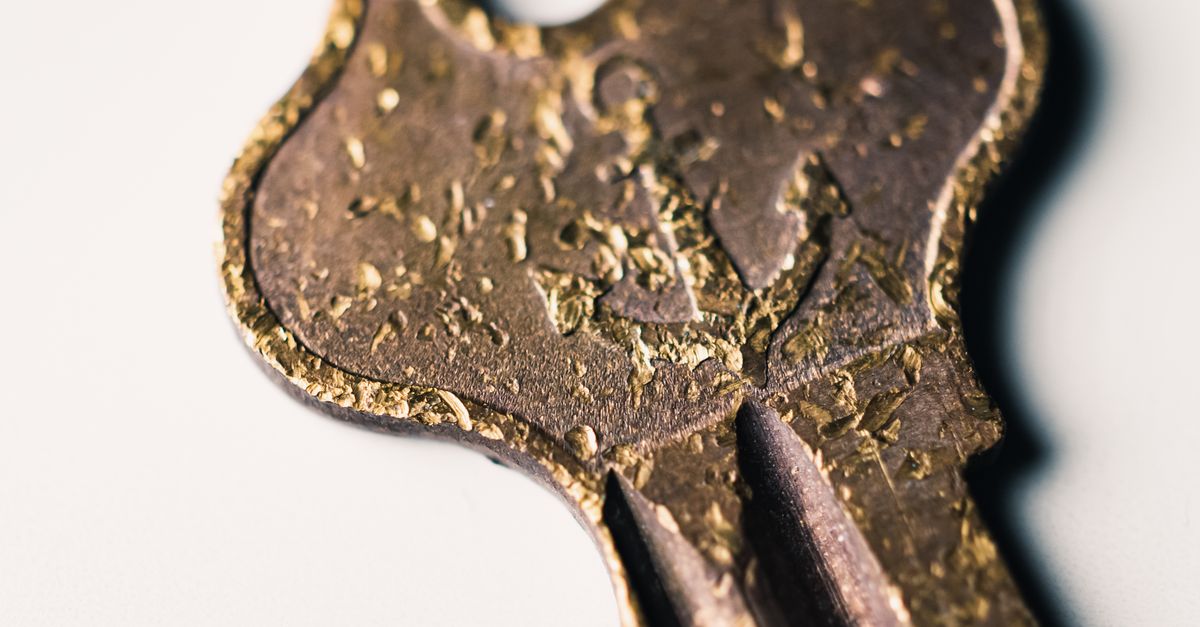
When a key snaps inside a lock, the break almost always occurs at the bow-to-blade transition point, which is the thinnest cross-section of the key. The fragment left inside the cylinder is typically smooth, flush with or recessed behind the keyway face, and sitting between raised wafer or pin tumblers that grip it on both sides. A professional technician evaluates the specific keyway profile first — a narrow paracentric keyway on a high-security mortise lock behaves very differently from the broad keyway on a standard door knob lock — and selects the correct extractor hook and approach angle accordingly. The goal is always damage-free removal: the extractor is guided alongside the fragment, hooked into a groove or around the tip, and drawn straight out with controlled tension. No hammering. No drilling unless every other option is genuinely exhausted and the customer is informed and agrees beforehand.
DIY extraction attempts frequently cause three compounding problems. First, pushing a pin or screwdriver into the keyway drives the fragment deeper, sometimes past the shear line into the plug body where extractor access is far more restricted. Second, improvised tools scratch or deform the cylinder walls, which can affect how wafers or pins seat — meaning even a perfect new key may not operate the lock smoothly afterward. Third, forcing the plug to rotate with a fragment inside can crack the plug entirely, turning a straightforward extraction into a full cylinder replacement. Our technicians have seen every variation of this scenario across Rosemead — from apartment buildings along Walnut Grove Avenue to retail suites on Valley Boulevard — and their training specifically covers reading the condition of the lock before touching it, which is what separates a clean extraction from an expensive repair.