What Is a Mortise Lock and Why Does It Matter for Commercial Doors?
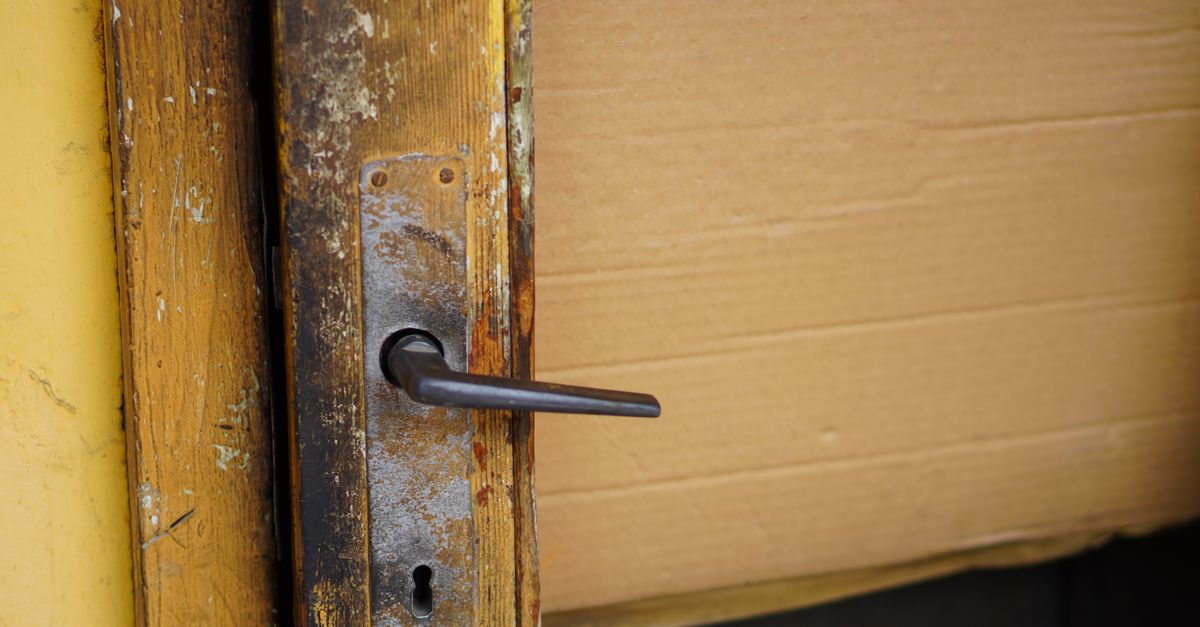
A mortise lock is a locking mechanism housed inside a rectangular cavity — the mortise — that is precisely routed into the door body itself. Because the lock body is recessed rather than surface-mounted, it distributes stress across a much larger area of the door and frame, which is exactly why architects and building managers specify them for high-traffic commercial applications. A complete mortise lock set typically includes the lock body, a trim plate, interior and exterior lever or knob handles, a mortise lock cylinder on the exterior, and a strike plate reinforced into the door jamb. Brands like Corbin Russwin mortise lock products and Baldwin mortise lock lines are frequently found in professional office buildings, retail spaces, and medical suites throughout Rosemead — and each brand has its own proprietary body dimensions, cylinder formats, and trim compatibility that a qualified technician must understand before touching the hardware.
In a high-traffic environment — think a dentist office near Rosemead Community Regional Park, a retail strip along San Gabriel Boulevard, or a logistics office just off the 60 Freeway — a mortise lock may cycle through thousands of open-and-close operations per month. Over time, the latch bolt wears, the case screws back out, the cylinder develops slop, or the cam that connects the cylinder to the locking mechanism breaks entirely. None of these failures are safe to ignore, and most of them are not DIY repairs. The internal geometry of a mortise lock body is precise; an incorrectly reassembled case will bind, fail to latch, or leave the door insecure even when it appears locked.